





The story
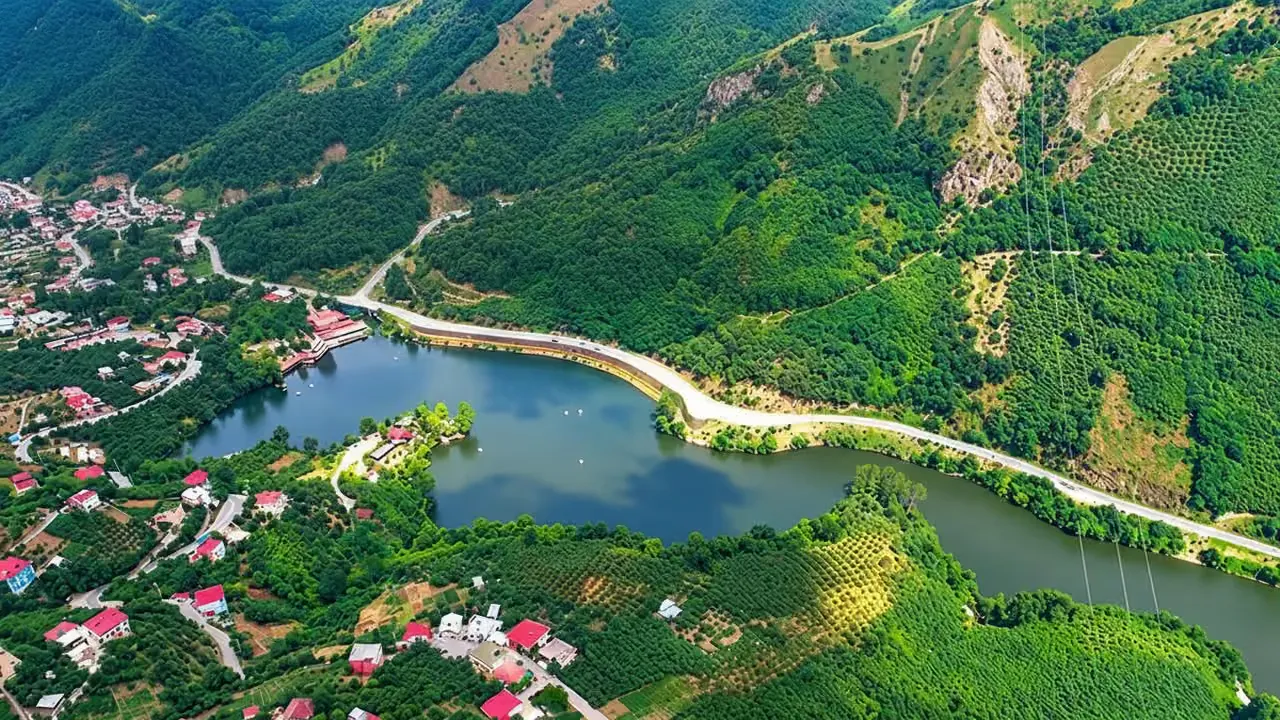
Akçaabat, on the coast just west of Trabzon, began as a trading colony of the Greek city of Miletus, traditionally dated to around the 7th century BC. Its settlers called it Platana, after its plane trees. In Turkish the name became Pulathane, and the town later took the name Akçaabat. It became a municipality in 1880.
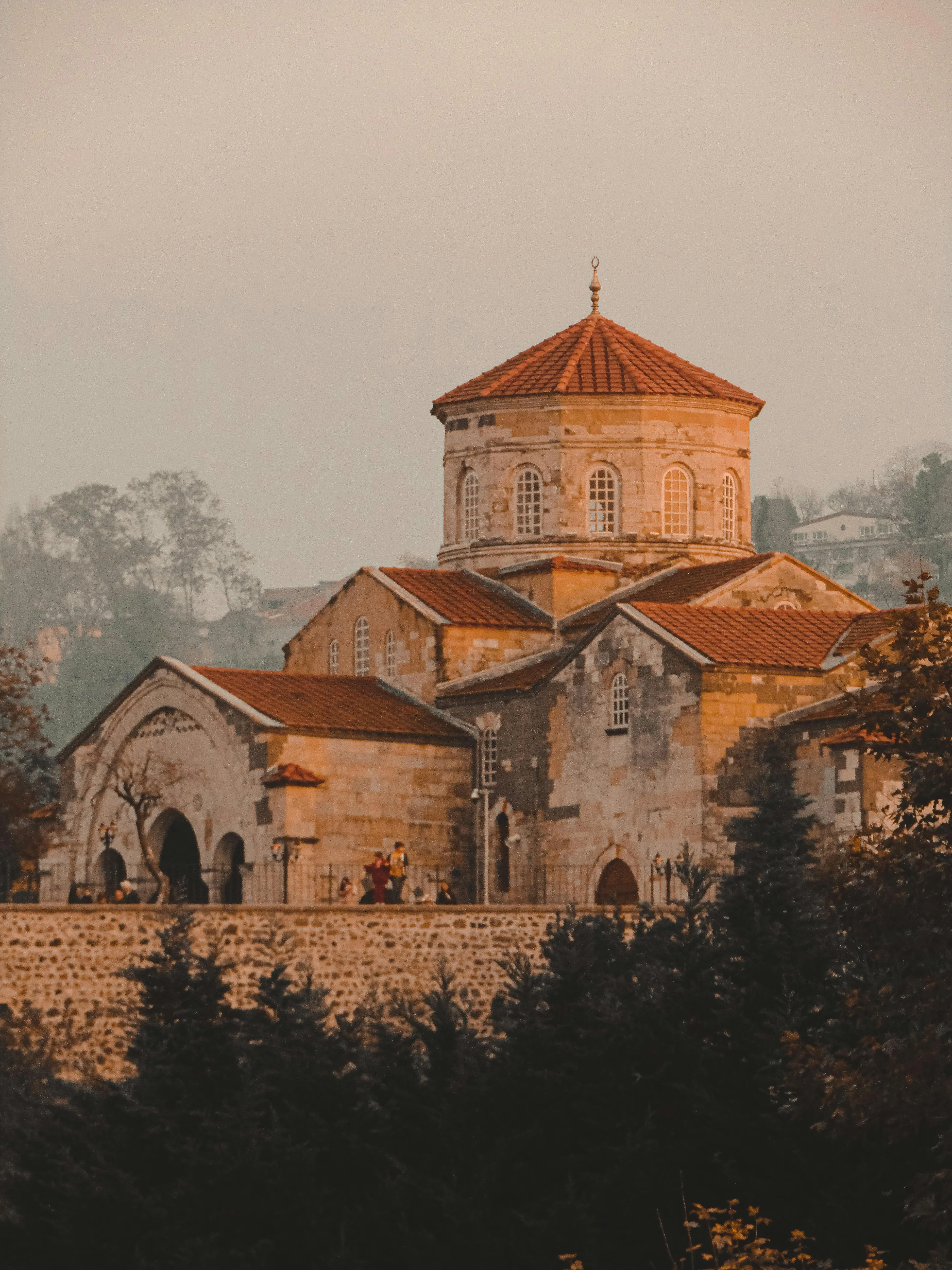
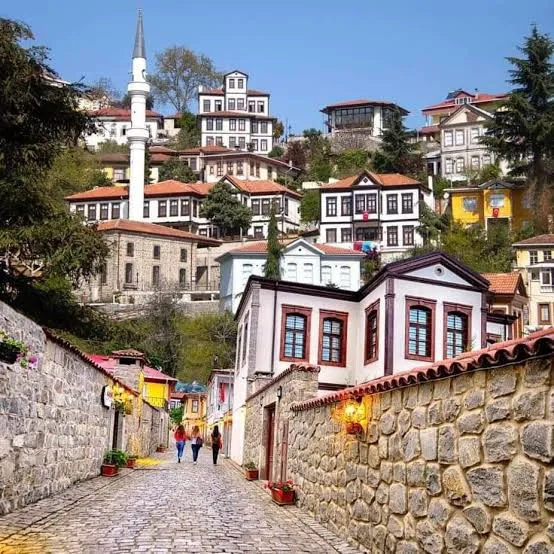
In 1461 Sultan Mehmed II used Akçaabat as a base during his campaign against the Empire of Trebizond. The town's past survives in Ortamahalle, the old quarter on the hillside, where wooden Ottoman houses, each with its own garden, line cobbled streets. Much of the quarter was declared a protected conservation area in 1988, and several mansions have been restored. The Church of Saint Michael, dating from the 14th century, has also been restored for cultural use.
Akçaabat is known across Turkey for its köfte, grilled meatballs made from beef, stale bread, suet, garlic and salt. Akçaabat köfte has been a registered geographical indication since 2010.
The town is also a home of the horon, the Black Sea circle dance performed to the kemençe, davul and zurna. The Akçaabat horon is one of its best-known forms, and dancers from Akçaabat perform it at festivals in Turkey and abroad.