
The story
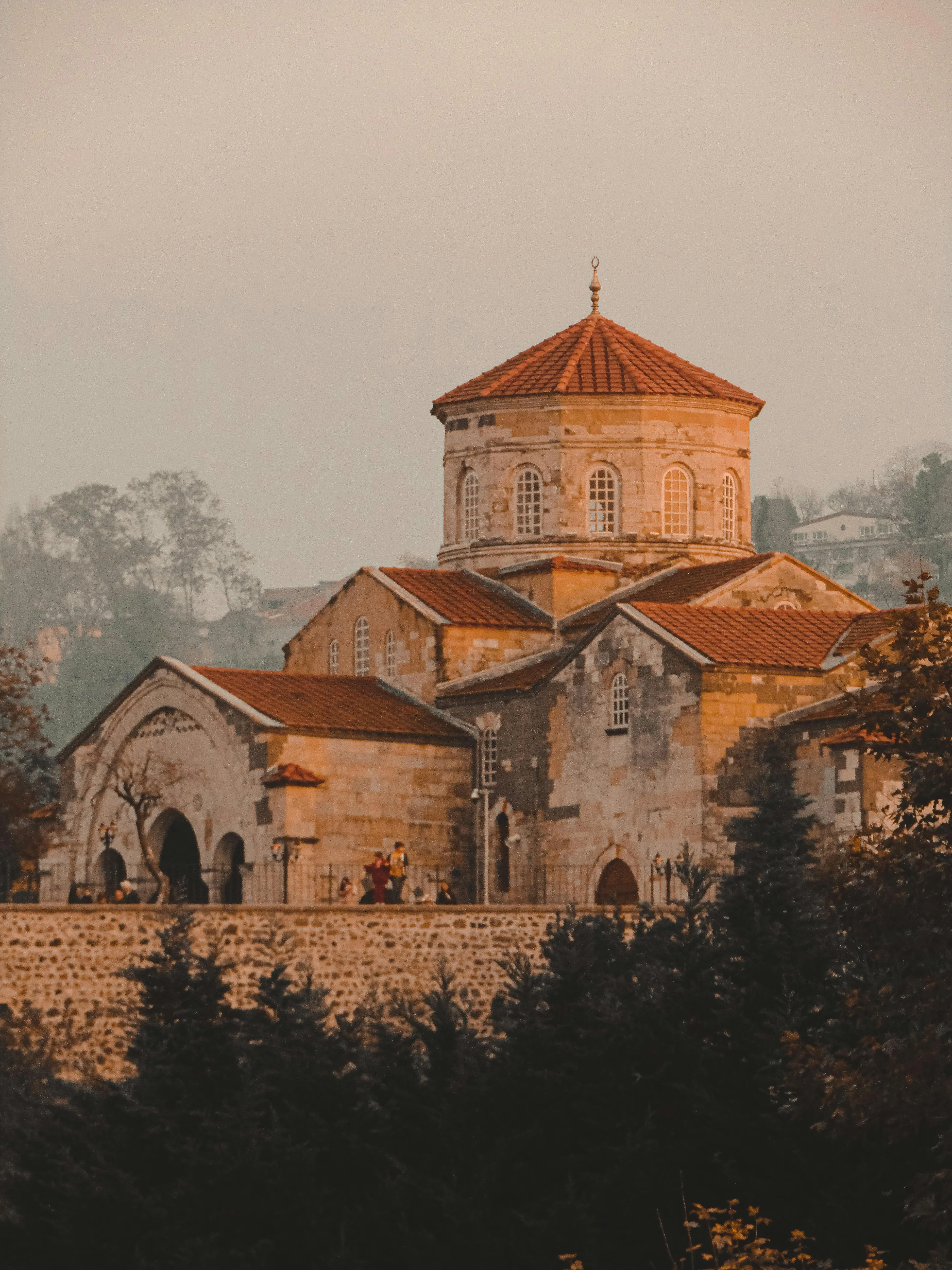
Trabzon's Hagia Sophia stands on a low rise near the sea, just west of the old walled city. It was built as the church of a monastery during the reign of Manuel I, emperor of Trebizond, between 1238 and 1263, at a time when Trabzon was the capital of a small Byzantine-Greek empire ruled by the Komnenos family.
The building is a late Byzantine church with a high central dome on four arches and a cross-in-square plan. Its outer walls carry carved stone decoration, and inside, the floor is laid with patterned coloured stone. A separate bell tower, about 40 metres tall, was added to the west in 1427.
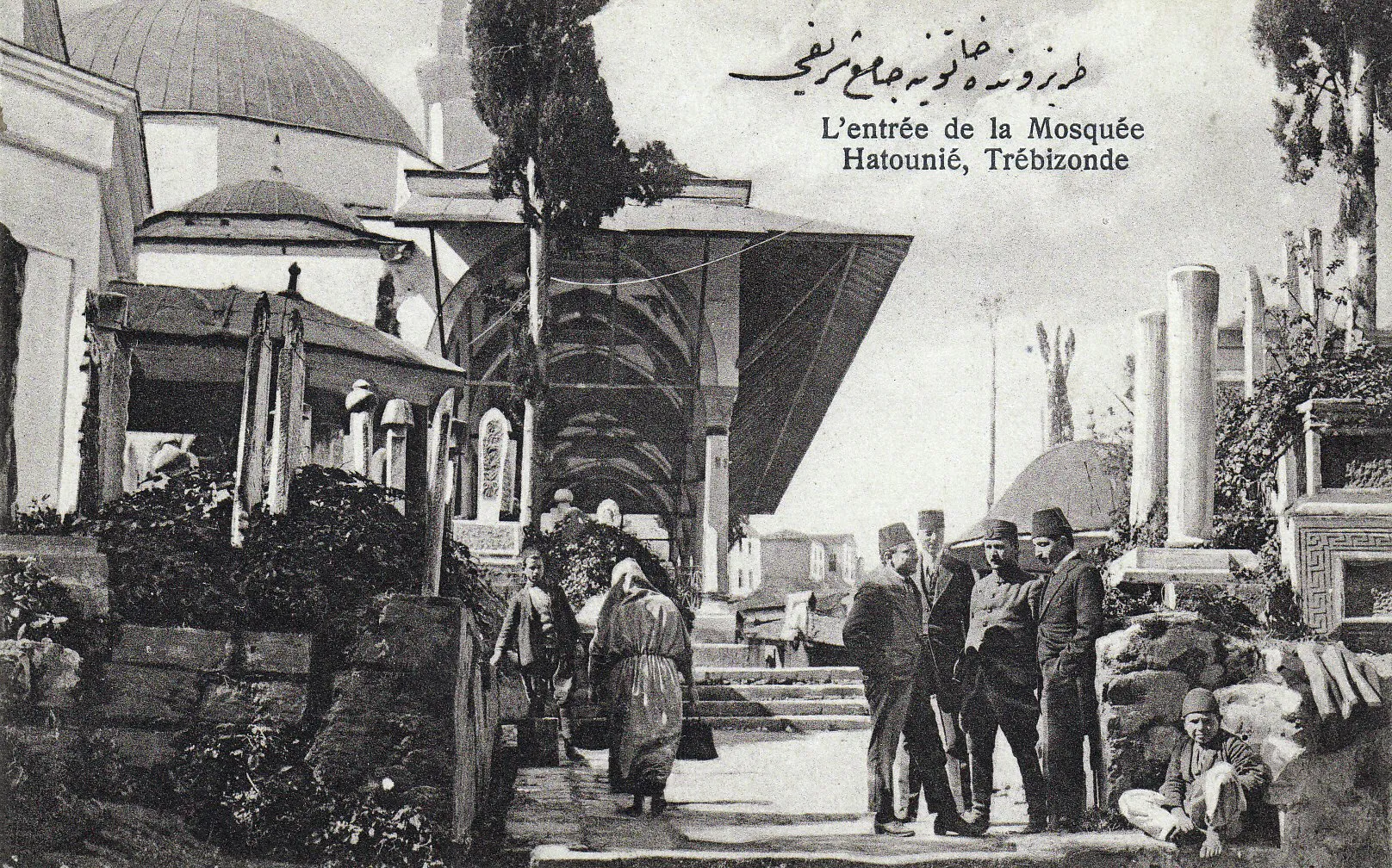
After the Ottoman conquest of 1461, the church was eventually converted into a mosque; sources give different dates for this, from the conquest itself to the late 16th century. Its frescoes were covered over. Between 1958 and the early 1960s, a team from the University of Edinburgh, working with Turkey's General Directorate of Foundations, uncovered and conserved the surviving paintings, which date from the late 13th century and show scenes from the New Testament. The building opened as a museum in 1964.
In 2013 Hagia Sophia was converted back into a mosque, and it is in use for prayer today. Visitors can still see the exterior carvings, the bell tower and the gardens, and inside, parts of the paintings and the coloured stone floor may be covered during prayer.