
The story
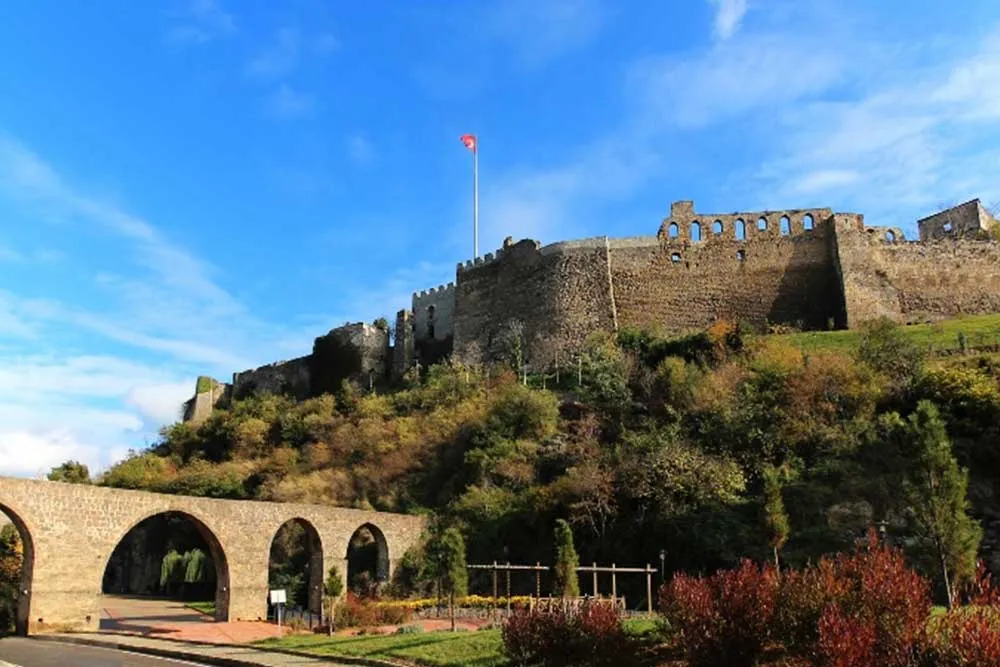
Trabzon grew up on a flat-topped ridge between two deep ravines, and the city's ancient Greek name, Trapezous, is usually explained as meaning 'table', after this shape. The walls that follow the ridge were raised on Roman and early Byzantine foundations, and stones from older buildings can still be spotted reused in them. The fortifications were repaired under Emperor Justinian in the 6th century and many times afterwards.
The walls reached their full extent during the Empire of Trebizond, which ruled from Trabzon between 1204 and 1461. They divide the old city into three parts: the Upper Castle (Yukarı Hisar), where the imperial palace stood; the Middle Castle, or Ortahisar; and the Lower Castle, which ran down towards the sea. Emperor Alexios II, who reigned from 1297 to 1330, built much of the Middle and Lower walls. The Zağnos ravine on the west and the Tabakhane (Kuzgun) ravine on the east served as natural moats.
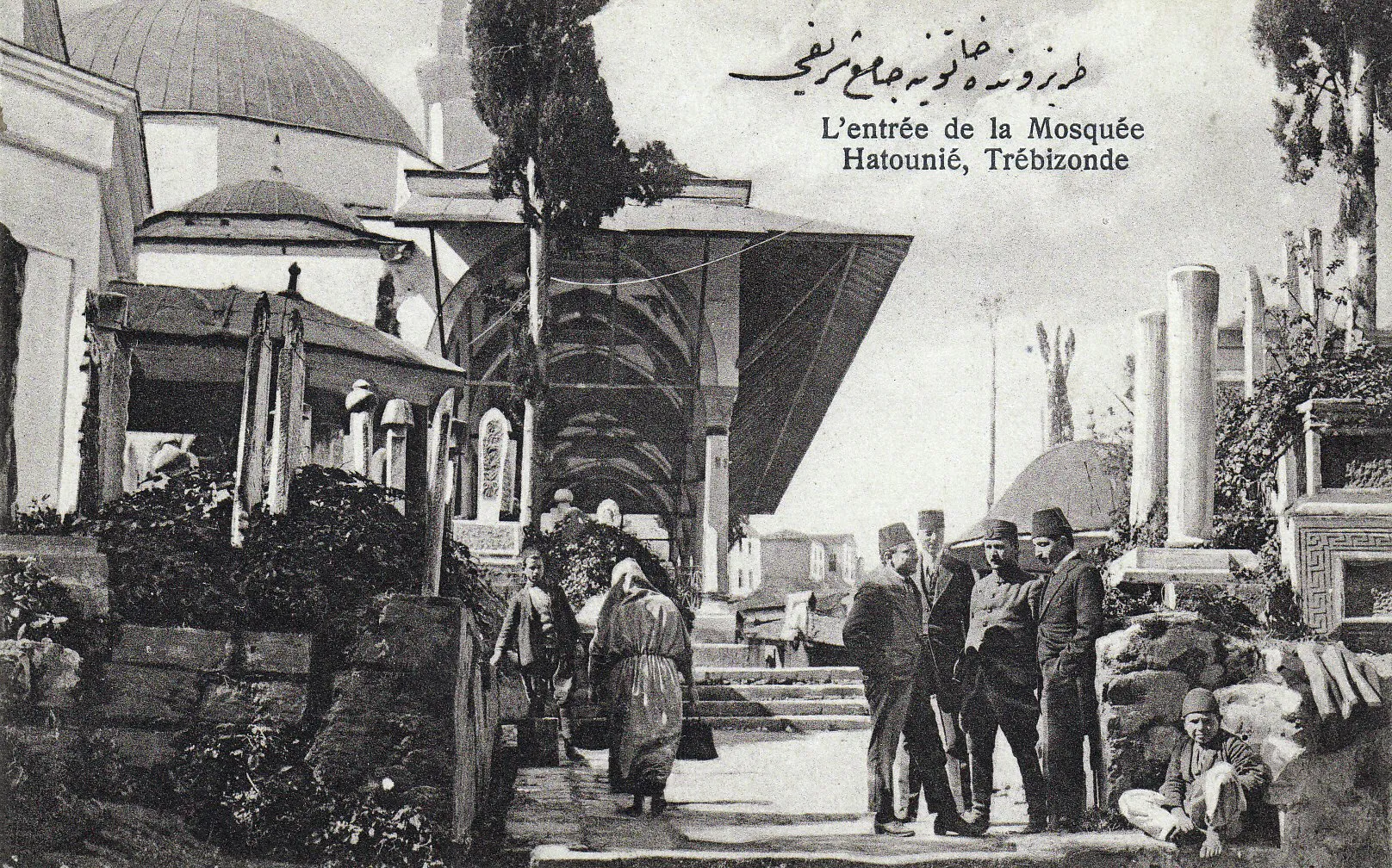
In 1461 Sultan Mehmed II took the city, and the castle remained in use under the Ottomans; a gate in the Lower Castle still carries his tughra. Inside Ortahisar, the former Panagia Chrysokephalos church, the main church of the Trebizond emperors, became the Ortahisar Fatih Mosque.
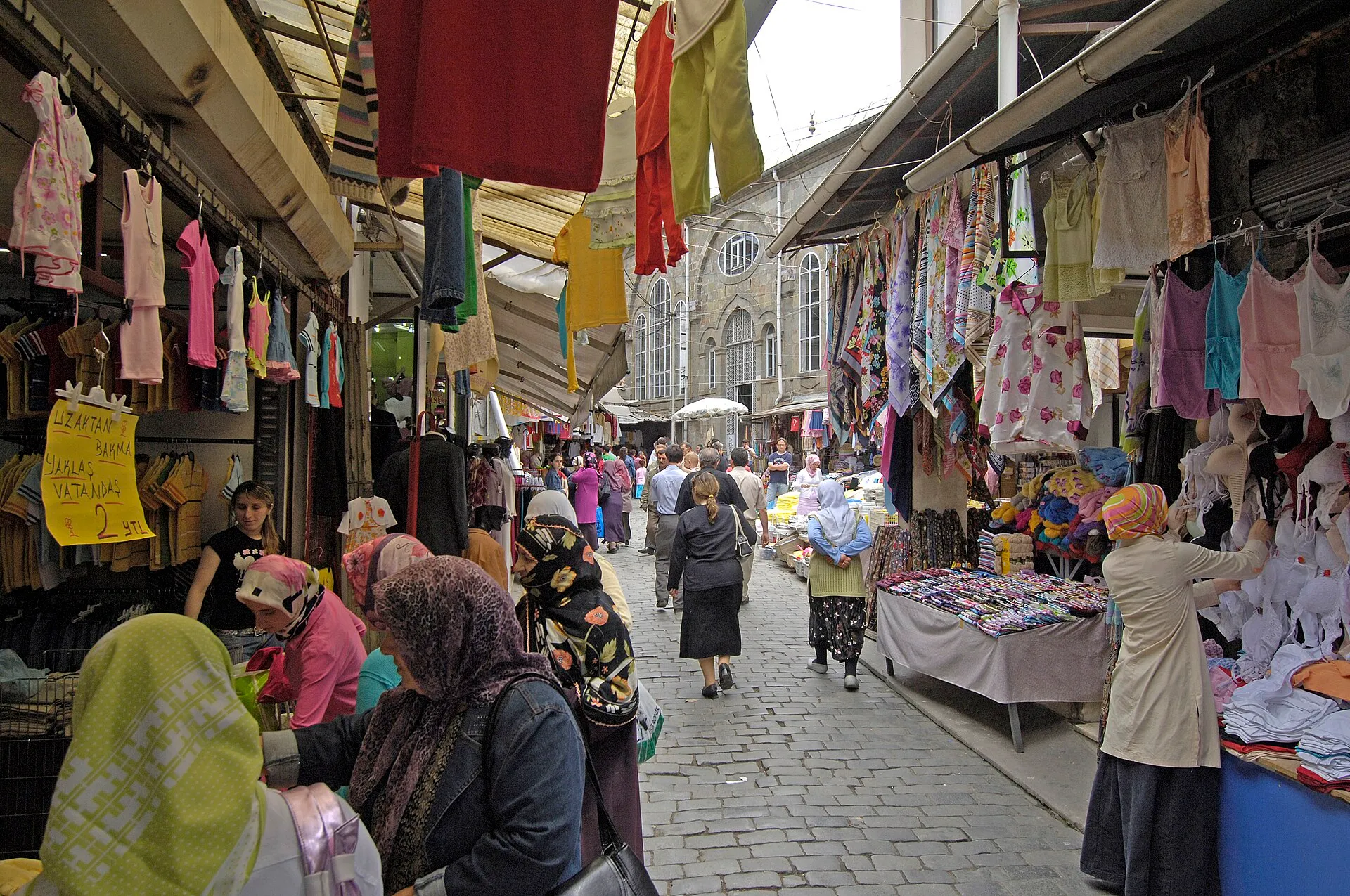
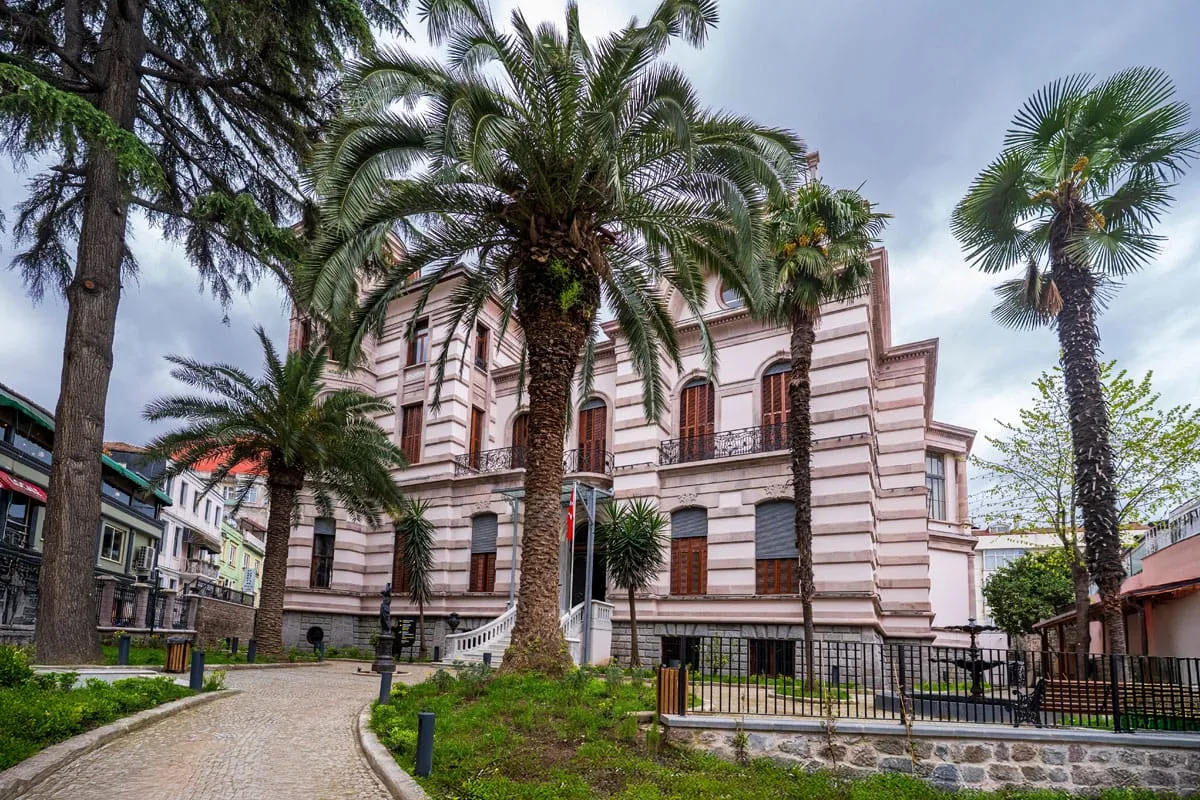
Today long stretches of the walls still stand, and you can walk them or look at them from the parks laid out in the ravines. The palace remains in the Upper Castle are an excavation site. Around the walls, the streets of Ortahisar mix restored houses, old mosques and the historic Zağnos and Tabakhane bridges.