





The story
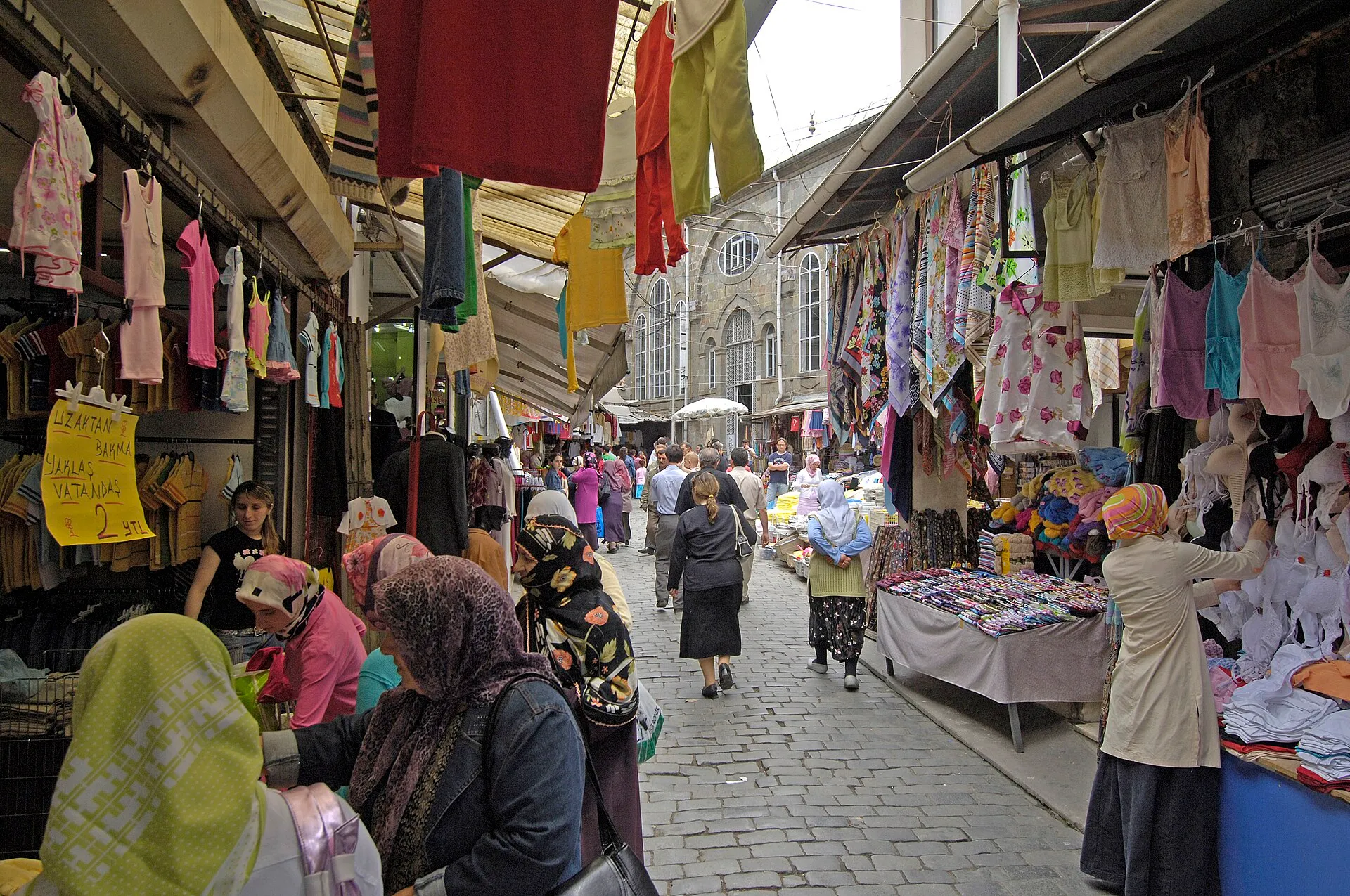
Just east of the old walled city and close to the sea lies Trabzon's historic market quarter, known simply as Çarşı, "the market". For centuries the goods of a busy port town changed hands here, and its narrow streets, with cobbled Kemeraltı at their heart, are still lined with workshops and small shops.
At the centre stands the Bedesten, the oldest commercial building in the city. Its origins are debated. The Ministry of Culture attributes it to the Genoese, who traded in Trebizond in the Middle Ages, while other researchers date it to the early Ottoman period in the late 15th century. Its single dome sets it apart from other bedestens in Turkey. After years of neglect, when it served as a storehouse, it was restored and reopened as a market for local handicrafts.
Other Ottoman landmarks stand close by. The Çarşı Mosque, the largest in the city, was commissioned in 1839 by the governor Hazinedarzade Osman Pasha. The Taşhan, a stone inn, was built for İskender Pasha, governor of Trabzon in the early 1530s.
The quarter is best known for its jewellers. Trabzon filigree (telkari) and the gold bracelets called Trabzon hasırı are knitted by hand from fine wire, and the craft is protected as a geographical indication. One nearby neighbourhood is still called Bakırcılar, after its coppersmiths, and local foods fill the shop windows along the way.